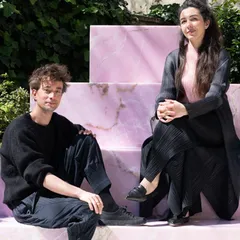
Studio Ossidiana is an award-winning practice at the crossroads of architecture, design, and landscape, led by Giovanni Bellotti and Alessandra Covini. Balancing research and fabrication, the practice explores innovative approaches through buildings, materials, objects, and installations.
Poetic and thought-provoking, Studio Ossidiana’s ambition is to design usable and generous spaces, materials, and concepts, to both participate in a global architectural debate, as well as ground the thinking in the built environment, through permanent or temporary projects.
Studio Ossidiana is based in Rotterdam, working with an international team of architects, designers and researchers, and is actively involved locally and globally with projects across the Netherlands, Italy, Sweden, Turkey, and the US.
In 2018, SO was awarded the Dutch Prix de Rome, the most prestigious prize for architects under the age of 35. The studio’s work has been exhibited in international exhibitions, among others, at Venice Architecture Biennale, Istanbul Design Biennale, Chicago Architecture Biennale, Rotterdam Architecture Biennale, and Shenzhen Architecture Biennale.
Descrierea proiectului în limba engleză
"Architecture has a unique narrative in the projects of Studio Ossidiana. From 'Aldo van Eyck, Andrea Branzi, Lina Bo Bardi, Ettore Sottsass, John Hejduk, Enzo Mari, Cedric Price, and many others, their installations outline a universe of tender encounters.' Poetic and provocative, the imaginary of Studio Ossidiana is configured in generous, playful, sensitive public spaces, on a sentimental scale.
For the architects, play and playing are essential elements of architecture. 'We believe that play not only follows, imitates, or adds value to everyday life but transforms it into something informal, replacing the normal with the strange: any game is an experiment, an exploration of what the world and life could become. In the book Homo Ludens, Johan Huizinga writes that play precedes culture because all animals play. Play is a form of abstraction and thinking that we share with other species. In our field, architects who wanted to integrate play into urban space, such as Cedric Price with his Fun Palace or Aldo van Eyck with his urban playgrounds, were also interested in the relationship between humans and animals. We believe that play and interaction with other animals fall into a similar pattern of thinking, a collective memory where play, as a form of abstraction and action, is the key to understanding worlds, people, animals, and becoming familiar with the unknown through the creation of rules, spaces, tools,' the architects declared—and it became a thought that resonated with the entire local community.
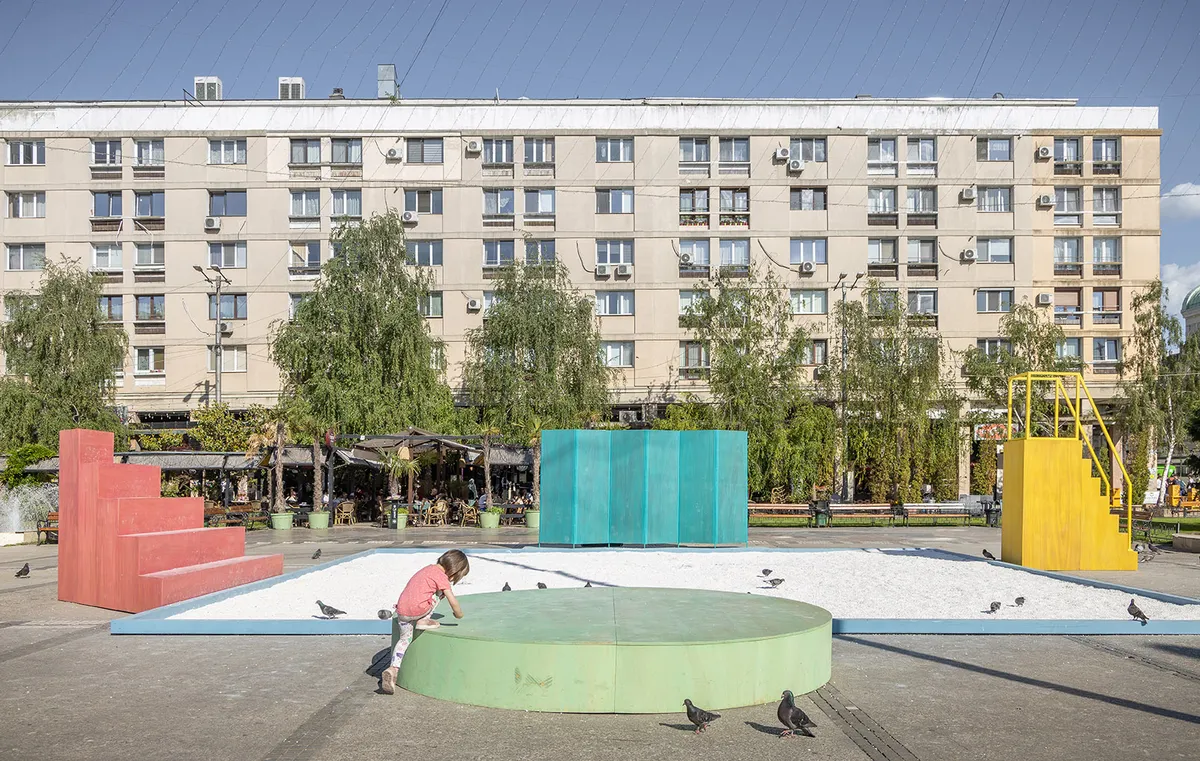
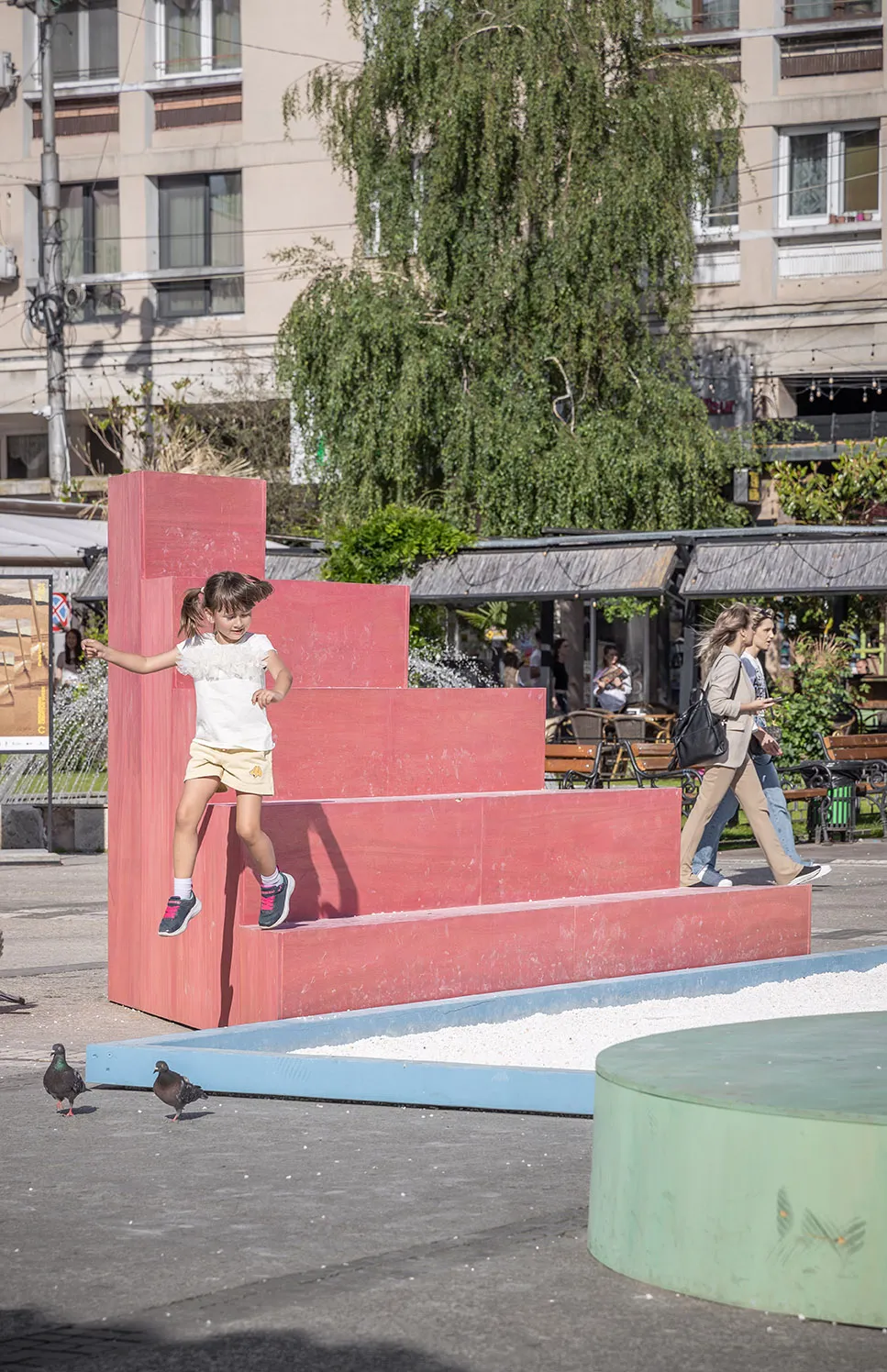
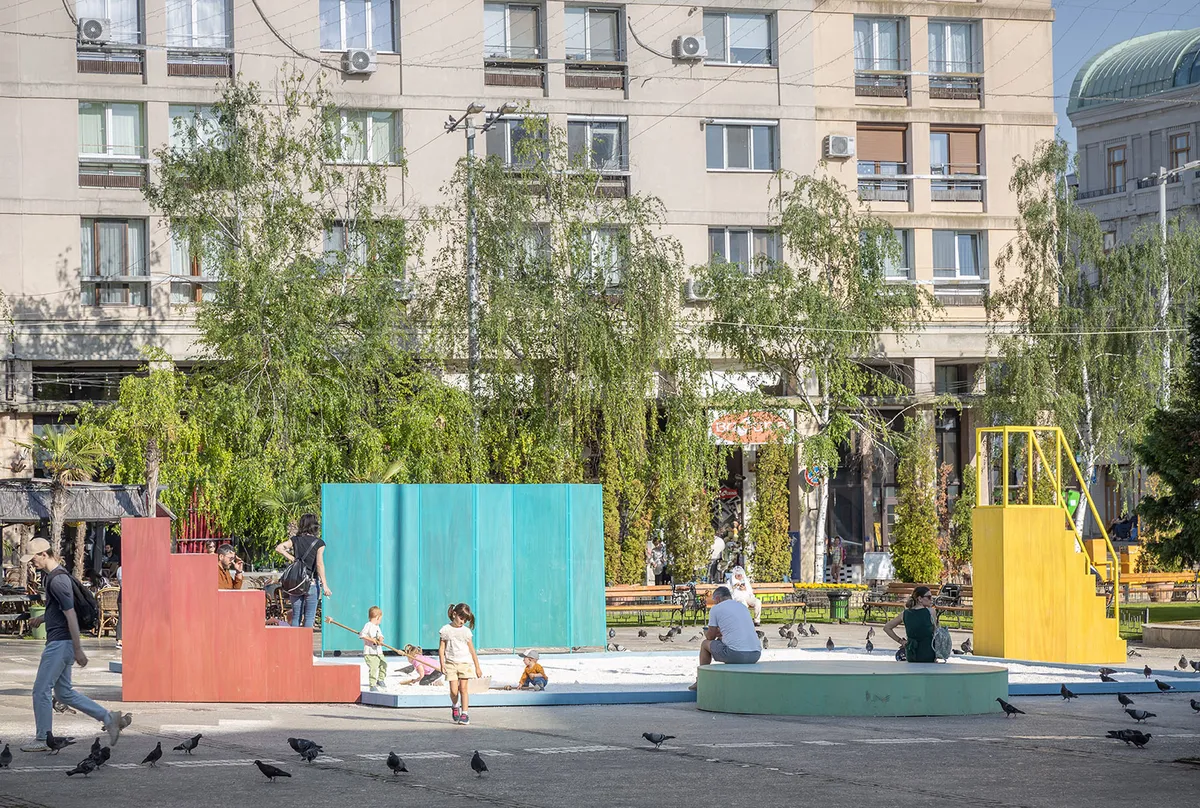
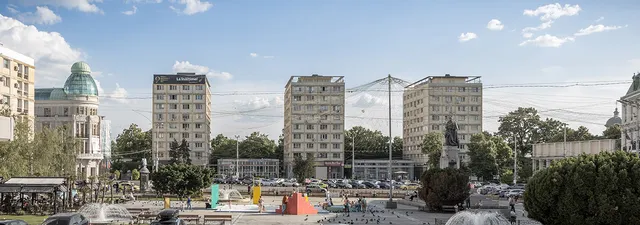
At the Common Imaginary architecture biennale of the Romanian Creative Week festival in Iași, Studio Ossidiana architects imagined a drawing board made of gravel—a public stage, open to all, where you can compose, erase, draw, and redraw ephemeral bas-reliefs on the mineral layer. Drawing Theater is an open theater, an opportunity for observation, and an invitation to interact with the gravel stage, sculpting delicate drawings on the mineral surface with the help of tools. The gestures are strongly inspired by the context: the bas-reliefs from the details of the 'Three Hierarchs' Church, the drawing tools from traditional agricultural practices, the dynamic of the space from the way Unirii Square is traversed and used. As a complete cycle, after the festival ended, the pavilion was donated to the 'Casa Bună' Association and will be relocated in the courtyard of the future kindergarten dedicated to children from vulnerable communities."