Text presentation of the author/office in English
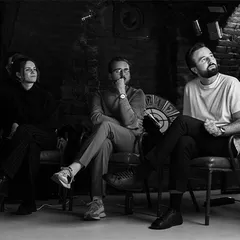
This diploma thesis is the result of a joint effort by the student team consisting of Timotei Hotea, Eduard Găleșanu, and Pașca Georgiana. Although each member brings different perspectives, aspirations, and complementary ideals to the project, the desire to collaboratively develop a complex and unified work formed the foundation of this partnership. The motivation to address a topic of major importance, such as the recycling of an extremely widespread resource like plastic, guided this participatory endeavor. Ultimately, the project materialized into a complex strategy aimed at proposing efficient solutions for the management and recycling of plastic in Romania, with a particular focus on the municipality of Timișoara. All three architects received their professional training in Timișoara, a city where they actively contribute to the development of a more qualitative built environment.
Project description in English
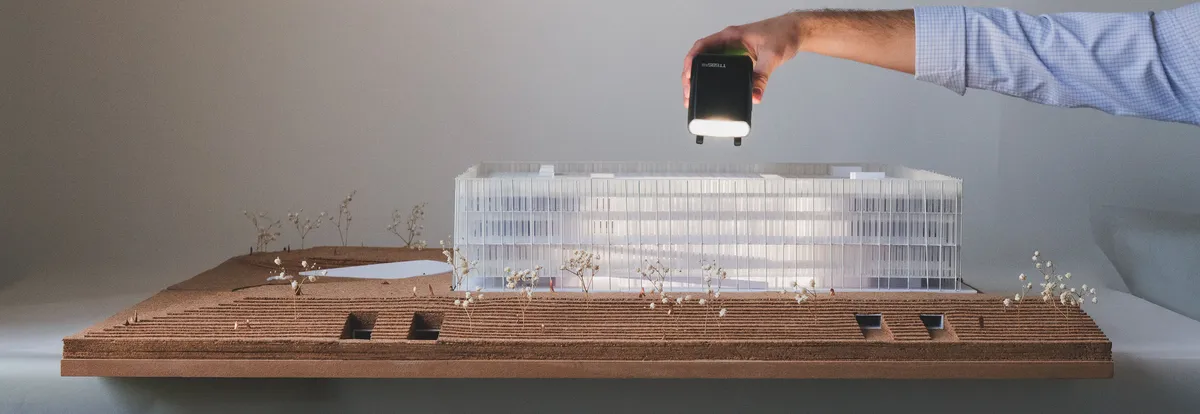
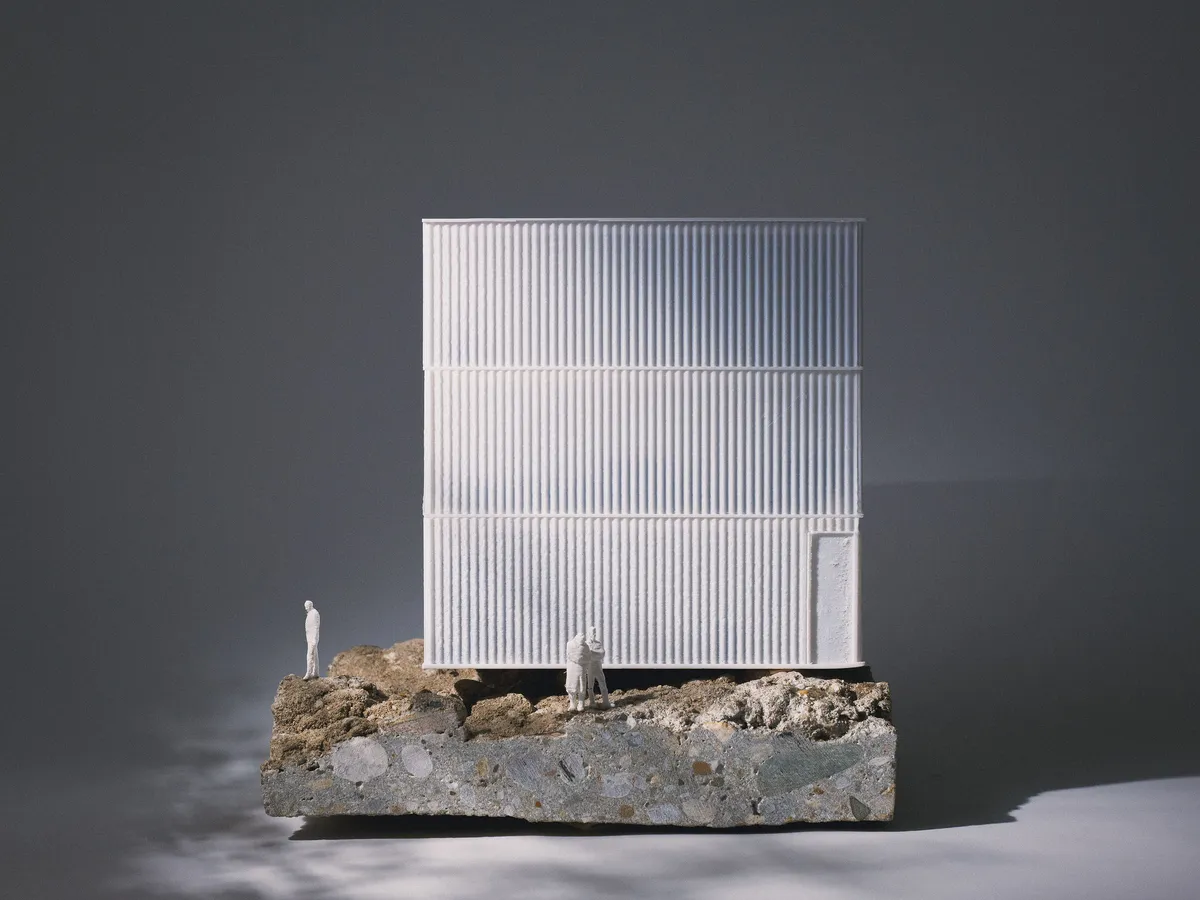
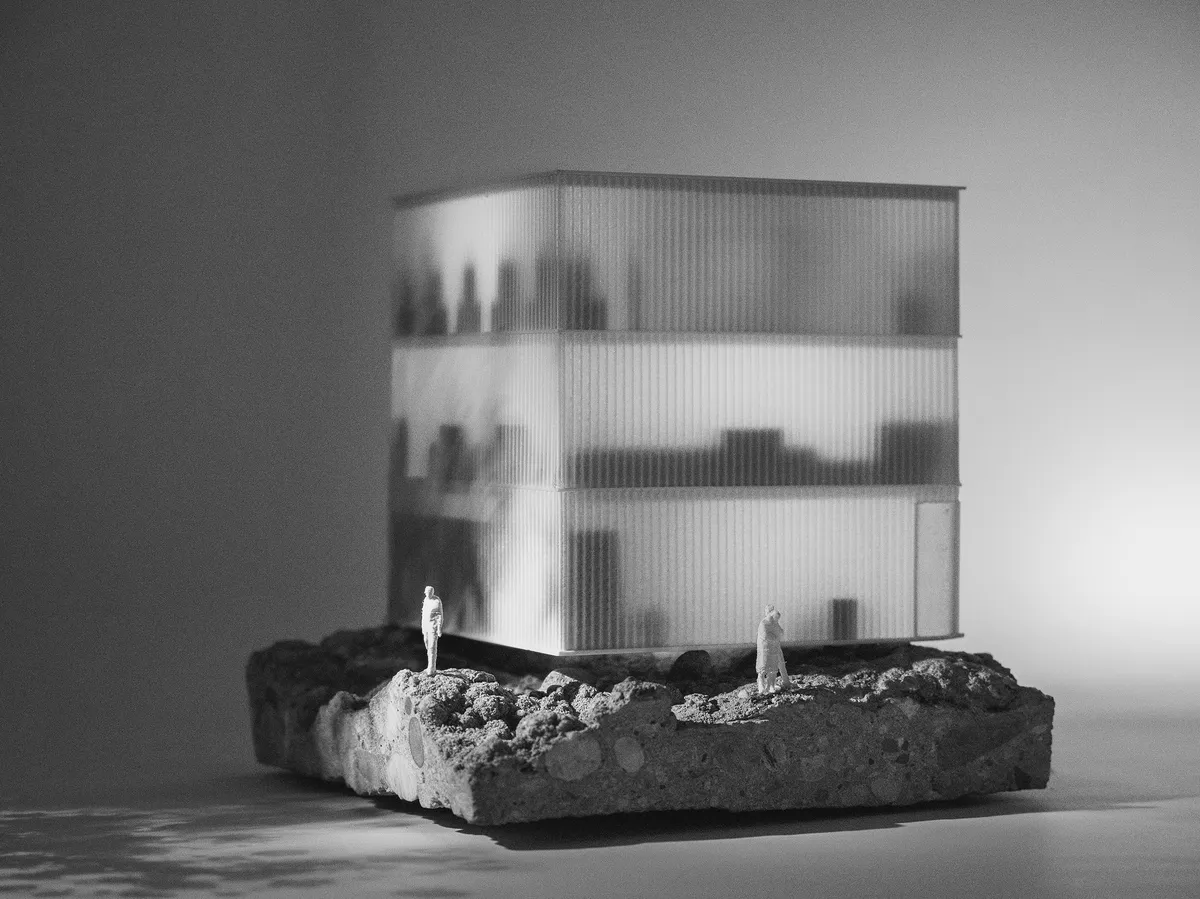
Born from waste, MEKA seeks to build an architecture of communion and proximity, transforming waste into a resource, the factory into public infrastructure, and recycling into a cultural act. The Museum of Ecological Knowledge and Awareness becomes the hub of plastic transformation in the Banat region, a forward-looking habitat growing around an unbroken chain of material and human gesture.
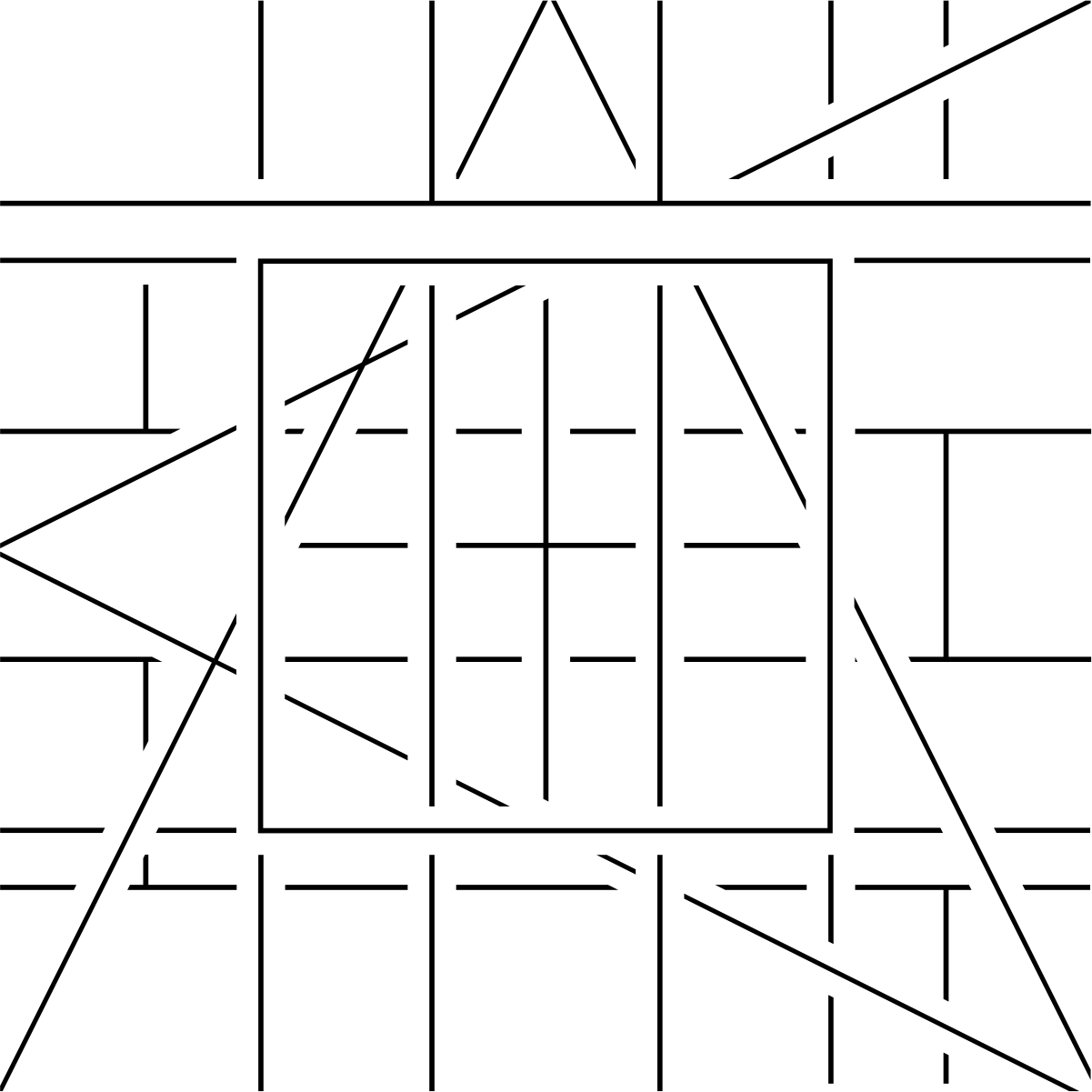
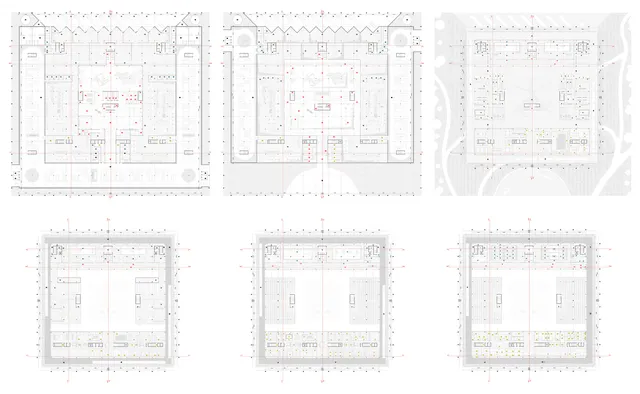
The proposed complex brings together three core functions: a plastic recycling factory, an applied research institute, and a plastic museum, all integrated into the adaptive reuse of the former Mecatim industrial platform in Timișoara. The project relies on the premise that architecture can actively drive technological and social processes, where recycling directly generates cultural infrastructure.
The production of recycled plastic filament, 3D printing, synthetic compound research, and the public display of the entire lifecycle form a coherent, visible system. This is supported by a modular framework constructed partly from recycled plastic and local materials. The courtyard, technical zones, and exhibition spaces are joined by a continuous public path.
Used both as raw material and architectural expression, plastic is recovered and reintroduced into the public realm. MEKA proposes a urban strategy where recycling acts as a foundational civic gesture.