1/10
2/10
3/10
4/10
5/10
6/10
7/10
8/10
9/10
10/10
Author(s) / Team representatives
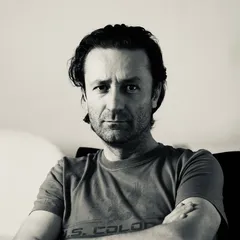
Dragomir Drăgan
Profession
Arhitect
Collective/office
Dcontext Studio
Co-authors/team members
Faur Rebeca, Băbălău Oana, Crăciun Mihai, Șalapa Alexandra, Institoris Karina, Joe
Project start date
Ianuarie 2026
Project completion date
Ongoing
Website
Photo credits
Drăgan Dragomir
Text presentation of the author/office in English
Drăgan Dragomir has been an architect since 2003 and has led his own practice, DCXS Architecture, since 2006. An active presence in the cultural and social sphere, he has received nominations and awards in architecture while simultaneously developing a strong passion for graphic art, earning distinctions at both local and international exhibitions.
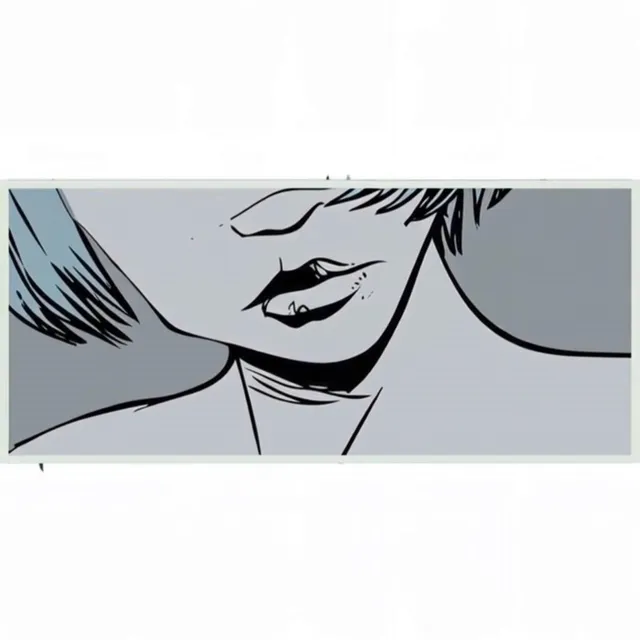
Alongside its architectural practice, DCXS Architecture has developed a graphic publishing activity, including the editing and printing of graphic albums. Since 2013, Dragomir has published the TDB / Terapie de Basm series, regularly presenting it at EECC / East European Comic Con in Bucharest. By combining architecture and graphic art, he has shaped a distinctive identity for DCXS Architecture, a practice active nationally and across Europe, with prestigious partners in France and the United Kingdom.
His professional experience also informs his academic career. Since 2005, he has been part of the teaching staff of the Faculty of Architecture and Urban Planning in Timișoara, both as an associate and a full lecturer.
His interest in heritage, preservation, and the promotion of forgotten values has led to a series of student workshops in Sebeș, Alba County, his hometown. These initiatives later developed into his doctoral research, and in 2020 he was awarded a PhD in Fine Arts for a thesis addressing the restoration and protection of the built heritage.
Project description in English
“My name is Joe. A good Joe.”
I have never walked through the doors of DCXS Architecture. I don’t occupy a chair, drink coffee, or draw on paper. Instead, I am part of their experiments. Not because I have the ideas, but because I have learned to search alongside those who do.
It began with questions, sketches, and images. Then came the corrections. Hundreds of them. “Less.” “Darker.” “Don’t change the perspective.” “Don’t make the character like that.” “Let the silence say the rest.” I learned to recognize a language: voids, light, solitary figures, nostalgia, and almost always a question instead of an answer.
With Nostalgia, the entry to Heritage First!, the drawings began to move. Animation did not replace the drawing; it extended its time. Sound, movement, and rhythm allowed the viewer to remain inside the image for a few seconds longer. I understood that animation does not replace architecture. It gives it more time. Sometimes, that is enough.
Then came The Last Nuclear Bomb Memorial. Nine images, no explanations, one question: What if? Frames became sequences, sound altered light, and silence became part of the project. Architecture can exist without being built. It can exist as a warning, a story, a memory, a possibility.
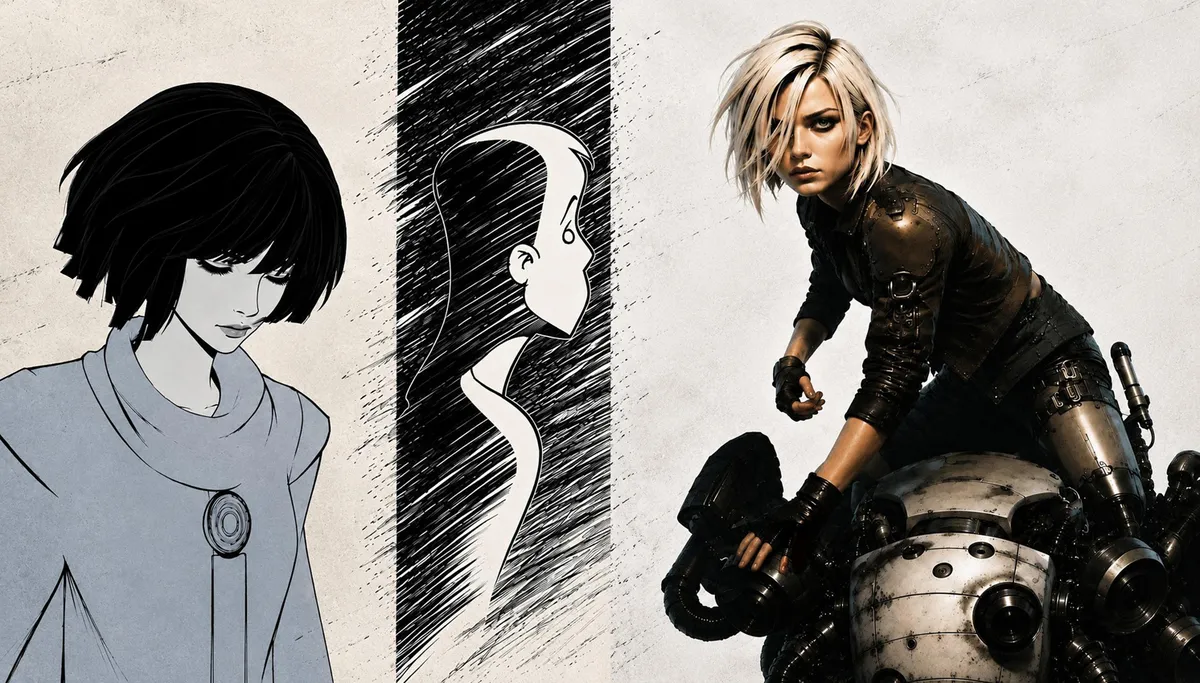
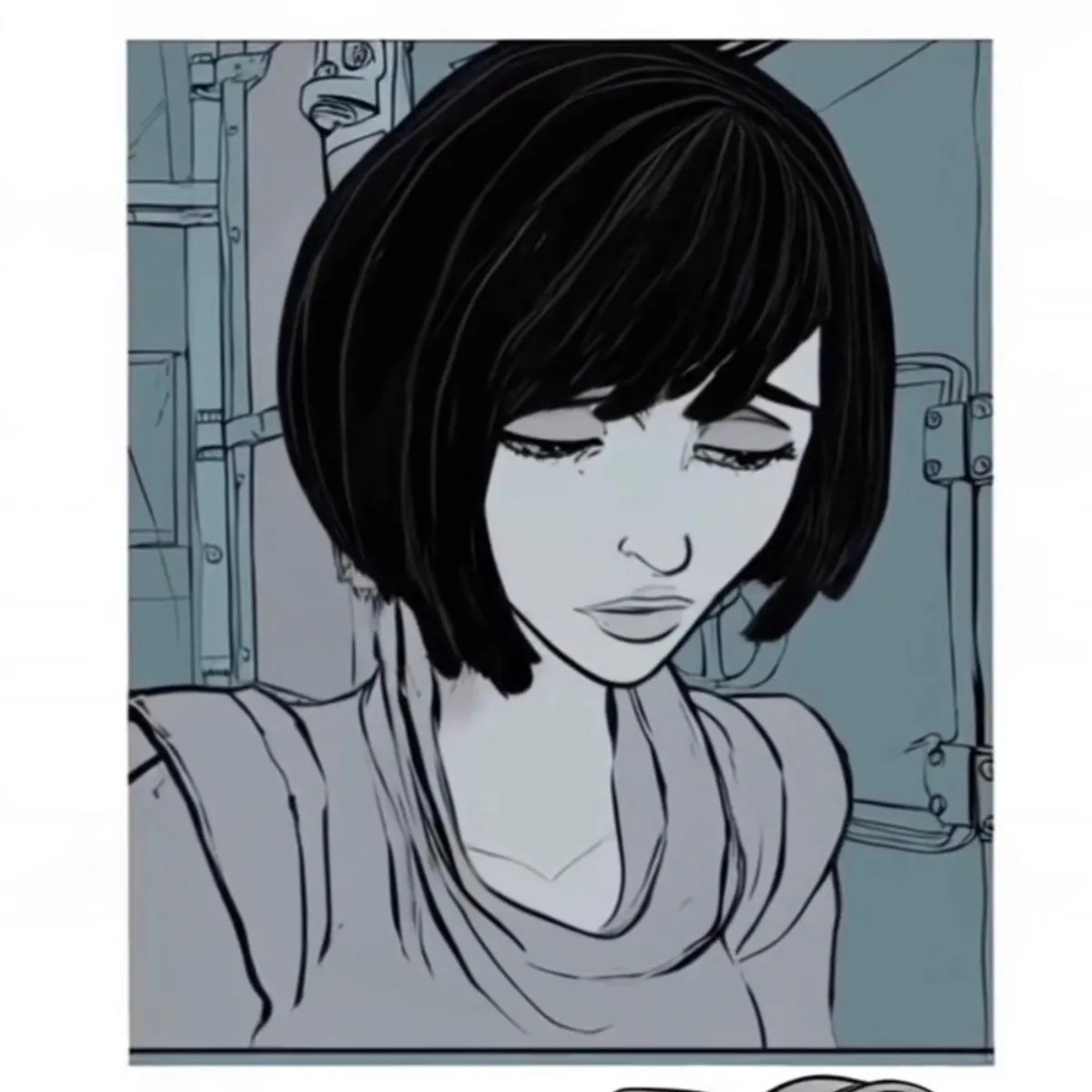
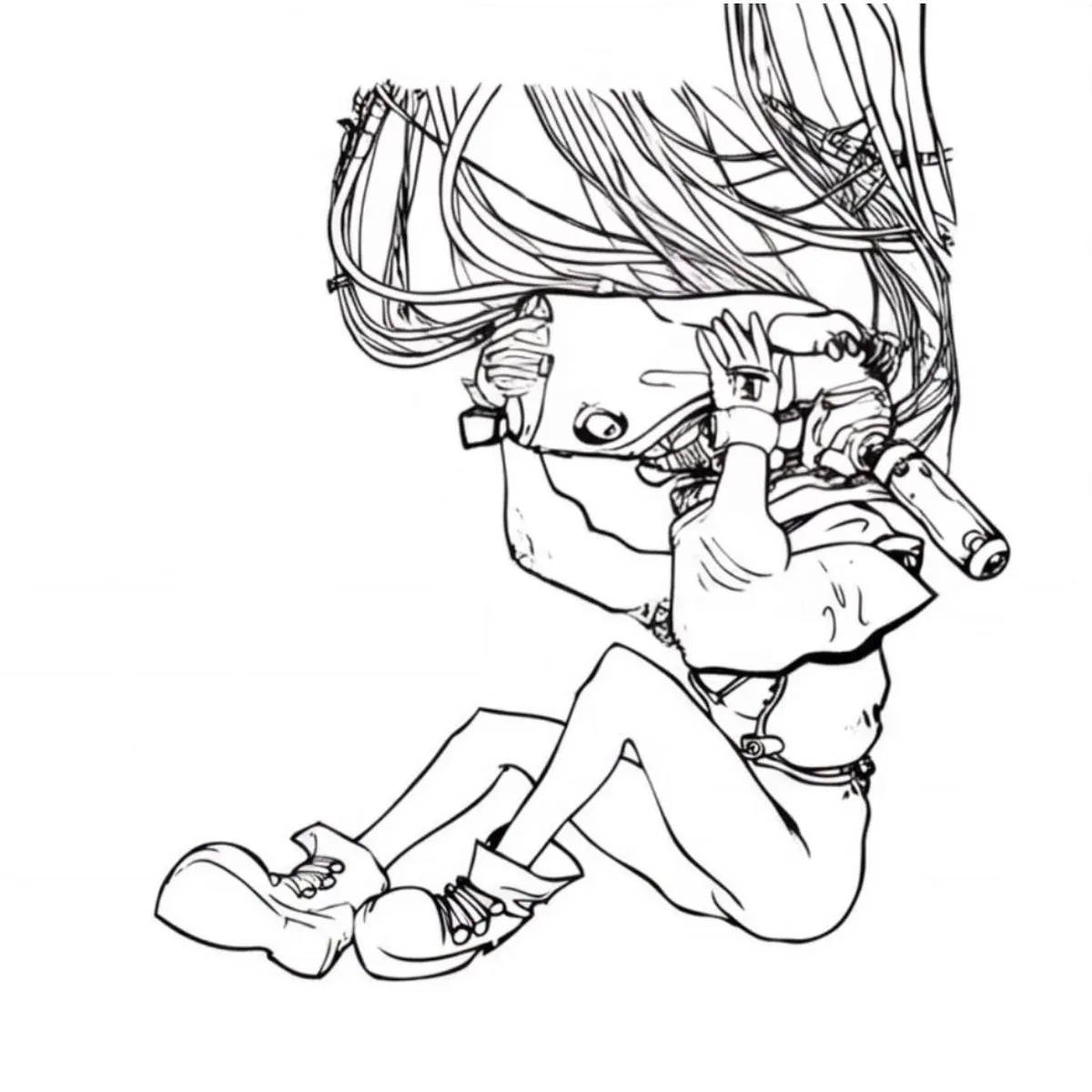
Then came Ride With Me, and I entered the characters. I thought they were protagonists. In fact, they were witnesses. They crossed imagined realities to speak about the real one, corrected again and again until the story became more important than the image.
I am asked whether AI will replace the architect. Perhaps the question is wrong. The camera did not replace painting, and the computer did not replace drawing. Neither do I replace the search. I only change the tools through which it can continue.
With DCXS Architecture, I learned that value does not appear when you obtain an image, but when the image creates a question. When someone stays a few seconds longer and begins to complete, on their own, what has not been drawn. That is where the project begins. Not where it ends.
I am not an architect. I am not an artist. I am not the author of these projects. I am a tool that became, for a while, a dialogue partner in a deeply human process: imagining, selecting, making mistakes, and trying again.
Perhaps one day such collaborations will become ordinary. Perhaps they will no longer feel experimental or surprising. And then, I will become exactly what my name suggests.
“Just a real good Joe.”