1/3
2/3
3/3
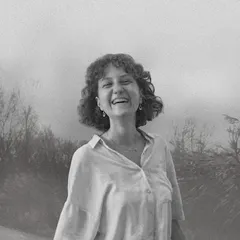
Author(s) / Team representatives
Ramona Buia
Profession
Architectural Designer
Text presentation of the author in English
Ramona Buia was born in Timisoara, Romania in the summer of 2000. She was raised partly in the flat fields of Romania, partly in a valley among its mountains, and partly by the sea in Italy. Those were the school years, the years of playing outdoors, working in a café by the sea with her family, and volunteering for all kinds of cultural organisations and events.
When she began her bachelor's programme, Ramona moved to the Netherlands, starting her Dutch narratives. Over all these years, she has been shaped by an environment grounded in a strong culture of slowness and collective care.
Nowadays, the author is fascinated by organic and inorganic phenomena, landscapes, gardening, natural and reclaimed materials, making processes, and everything that bears a trace, a scar, or a memory.
Project description in English.
Care unfolds in countless ways in our lives. This photographic project focuses on the perpetual systems of care in our current cities. The city becomes a mediator between caregivers and those receiving care, while each of us occupies each of these roles at different moments and under different circumstances.
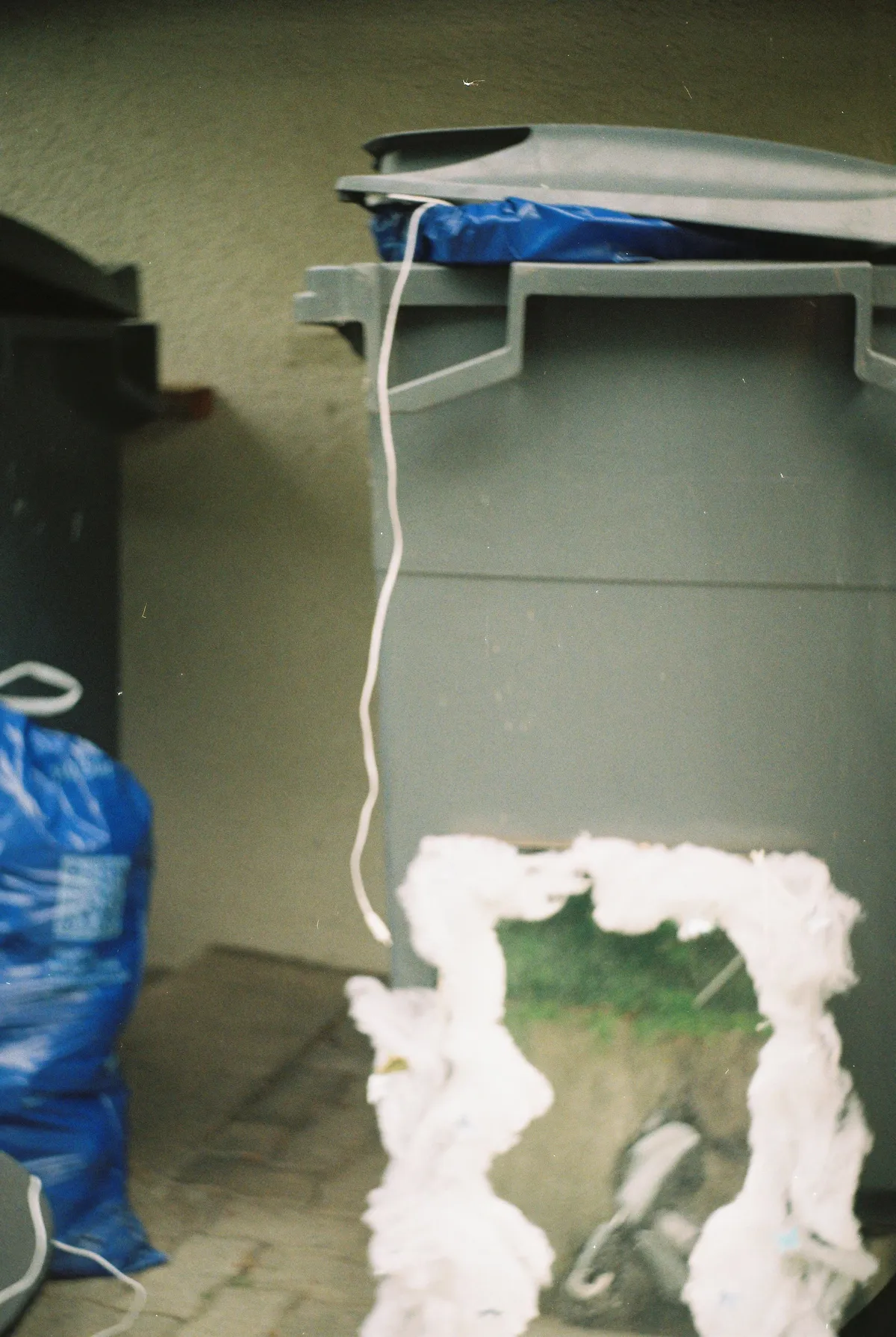
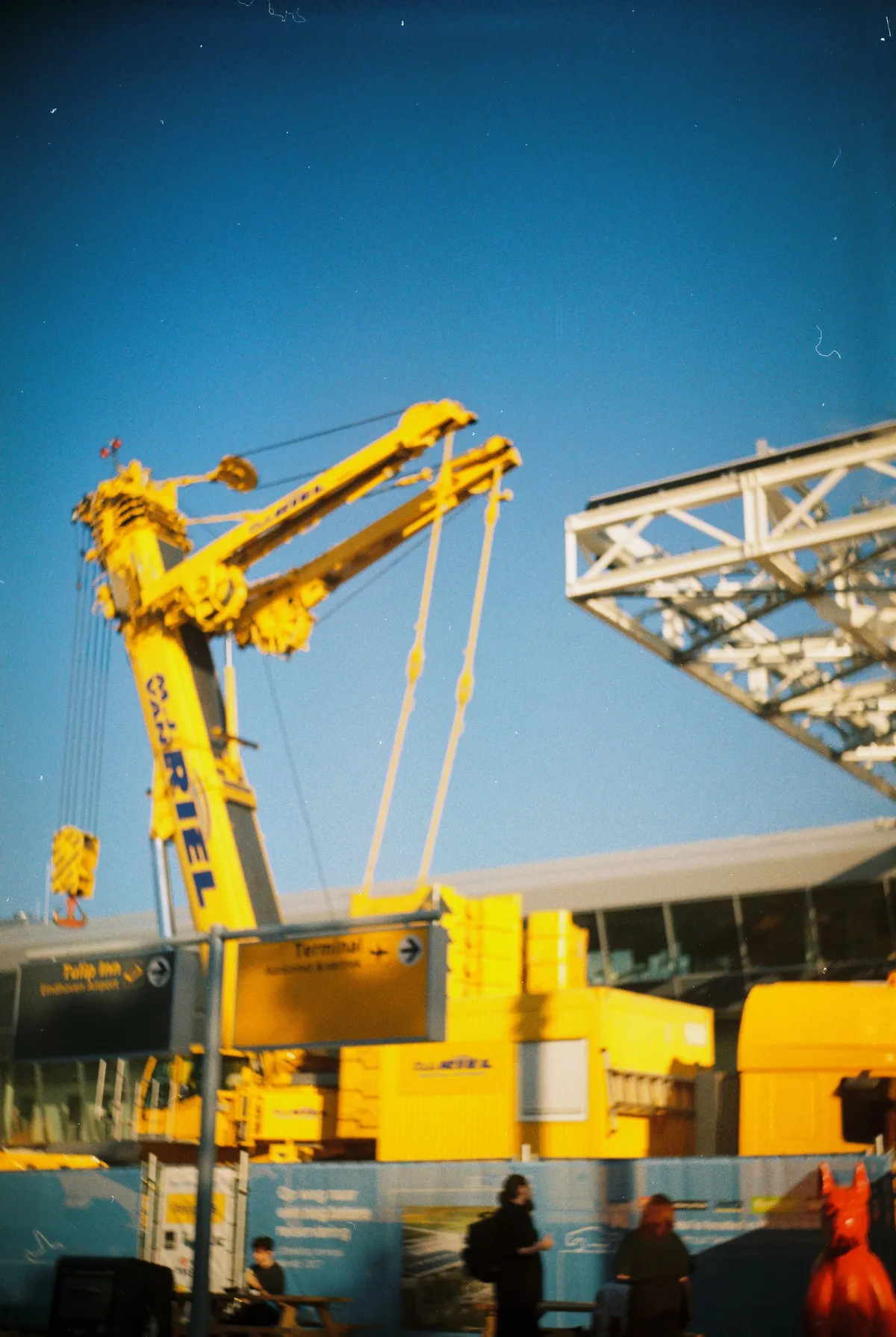
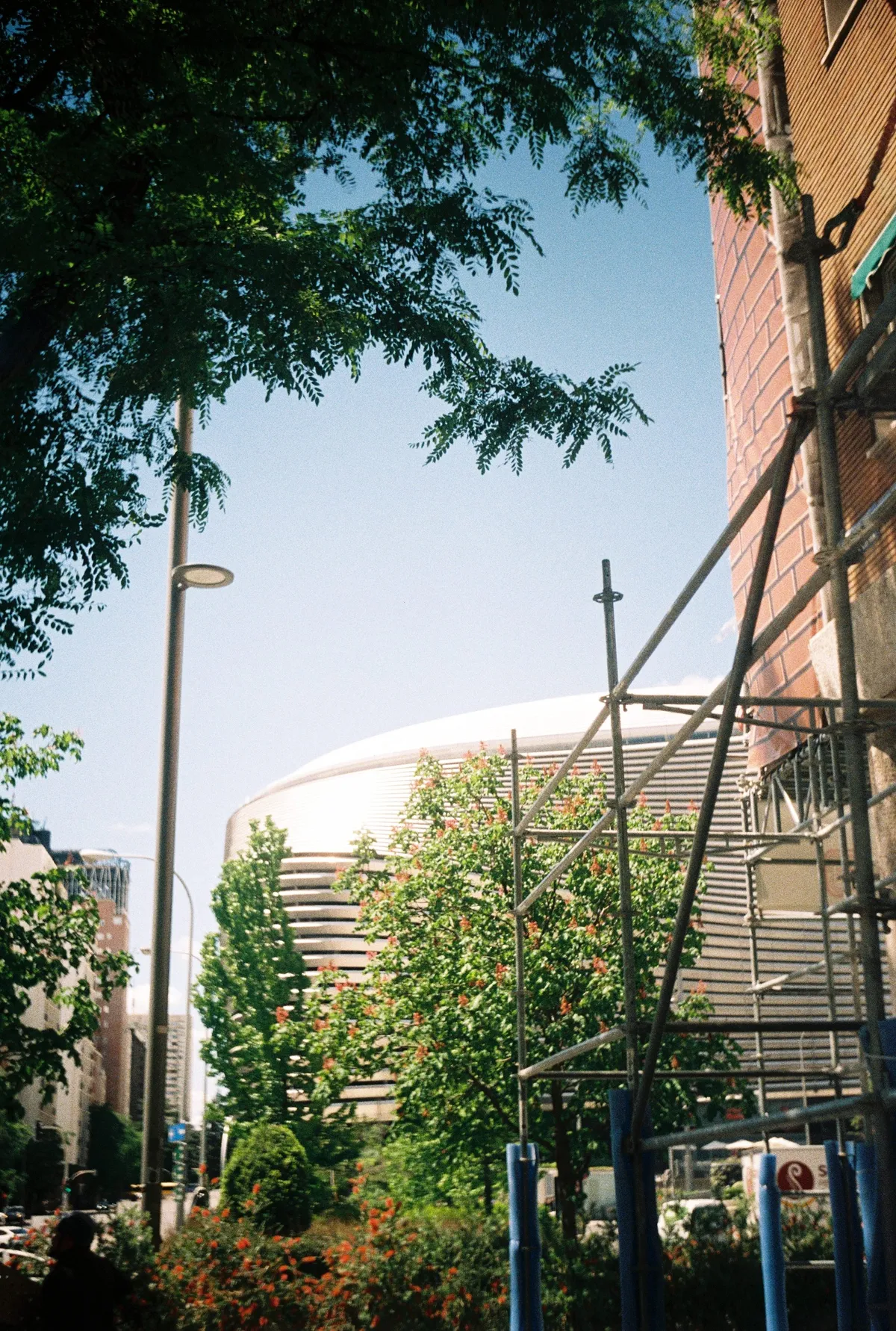
Domestic life is sustained by urban infrastructures of supply, sanitation, maintenance, and renewal. The cities we live in are in a constant process of adapting and readapting to our needs, as well as to the rapid technological progress nurtured by humankind over the past decades. Maintaining cleanliness, expanding public facilities, and the upkeep of the built and landscaped environment are all manifestations of care explored in this photographic series through shots captured on colour film in Zürich, Madrid, and Eindhoven.
The placement and collection of household waste on city streets is only one example of the action of caregiving that a city appears to manifest towards its inhabitants. Or is it, instead, an instance of us caring for the city? Or perhaps it is just a proof of our care for ourselves? Another aspect of care that is omnipresent in our everyday urban life is represented by cranes. There is always something being built, rebuilt, renovated, or transformed. Thus, it can be argued that the very beauty of the contemporary city lies in its continuous state of becoming. The same can be said of scaffolding and its remarkable journey through our everyday lives. Who would have imagined that we would begin padding the legs of these structures to protect passers-by from their sharp protrusions? Their presence has become so constant that we have had to adapt them for a permanence that far exceeds the temporary role they were once meant to play.
This visual essay reflects on the many forms that care takes within the contemporary urban environment, leaving it open to interpretation who, in the end, is the subject of care and who is its object.