1/4
2/4
3/4
4/4
In Theory
Author(s) / Team representatives
Chirilă Briana-Nicola, Constantin Eduard-Robert
Profession
Architecture student
Co-authors/team members
Constantin Eduard-Robert
Project location
Timișoara, România
Area
11000 mp
Project design year
2025
Photo credits
Chirilă Briana-Nicola, Constantin Eduard-Robert
Text presentation of the author/office in English
Briana Chirilă is a creator in the field of architecture, working across sustainable design, urbanism, and built heritage preservation. Her practice bridges ecological research and Architecture, with a focus on sustainability frameworks and harmonious integration into historical urban fabrics. In her work, she aims to balance environmental innovation and the functionality of public spaces, exploring life cycle assessments to develop durable and cohesive architectural solutions. She is also an architecture student in Timișoara, having broadened her academic experience through international mobility programs in Spain and the Czech Republic.
Project description in English
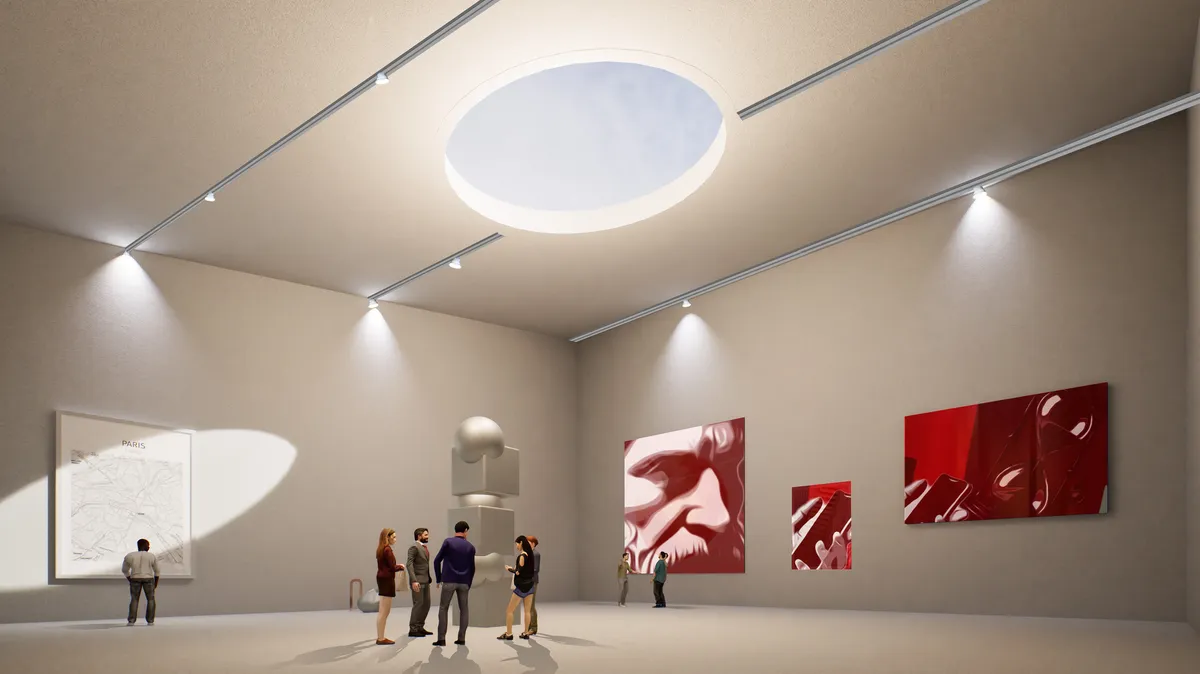
The proposed ETHOS Contemporary Art Center addresses Timișoara’s need for a dedicated, flexible space for contemporary and performing arts. Rooted in Michel Foucault’s concept of "heterotopia," the architecture creates an "other space"—a hybrid, ambiguous environment outside the ordinary realm. It offers a cumulative universe where multiple realities, mirroring the diverse political, social, and technological themes of contemporary art, can coexist and deeply alter visitors' perceptions.
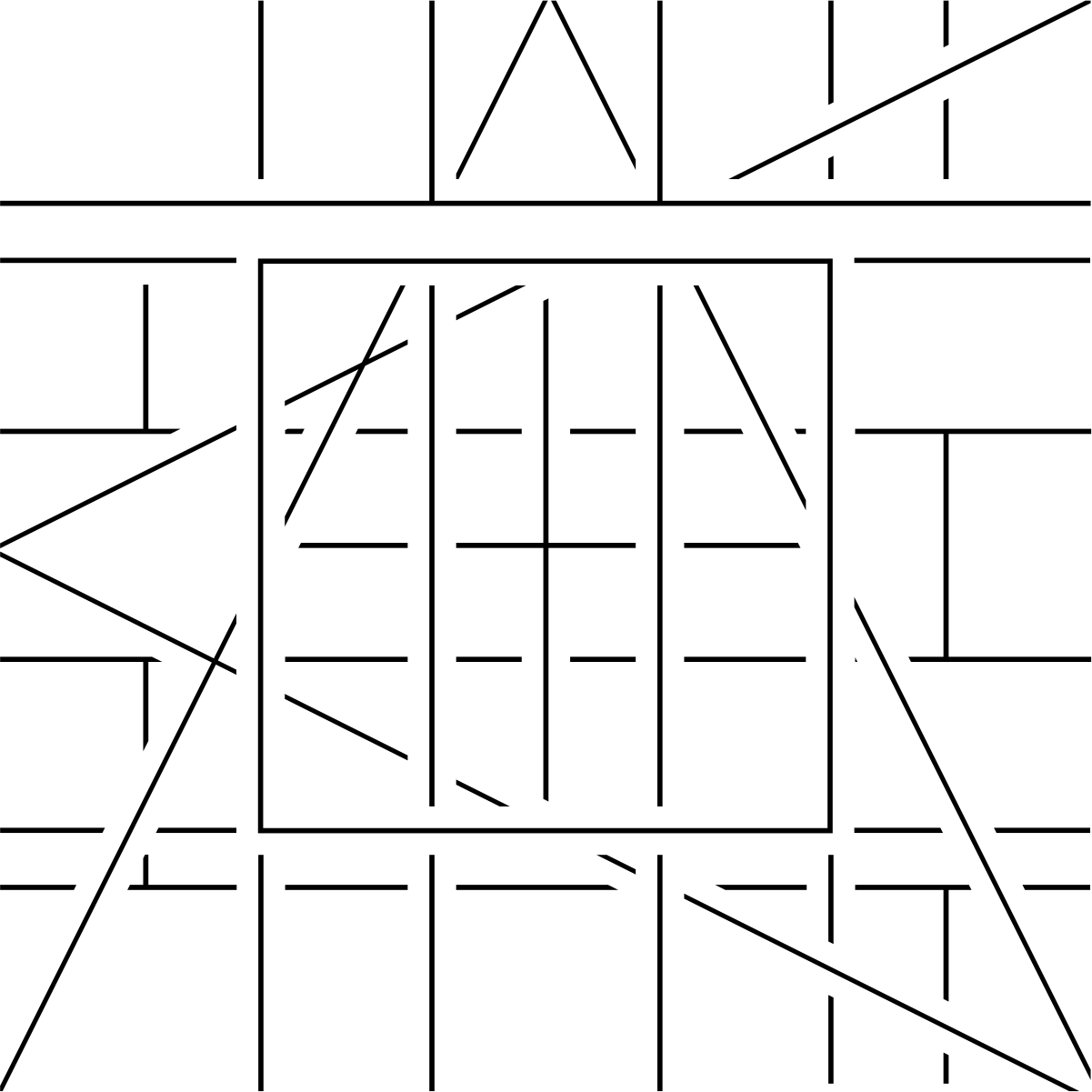
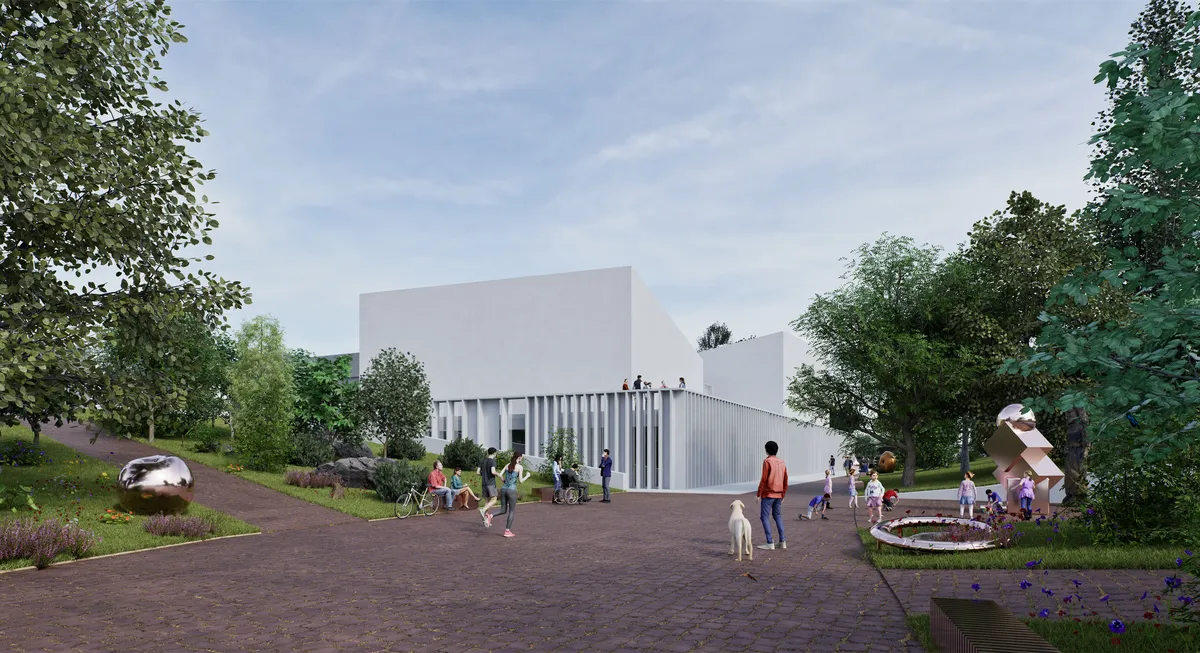
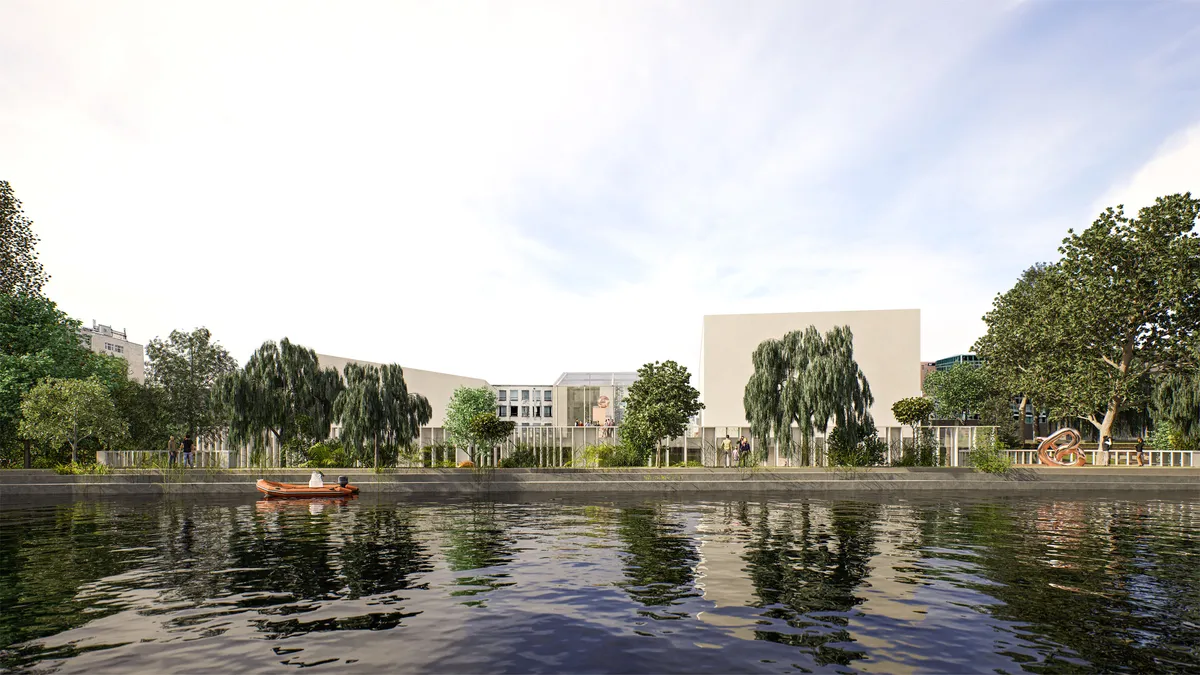
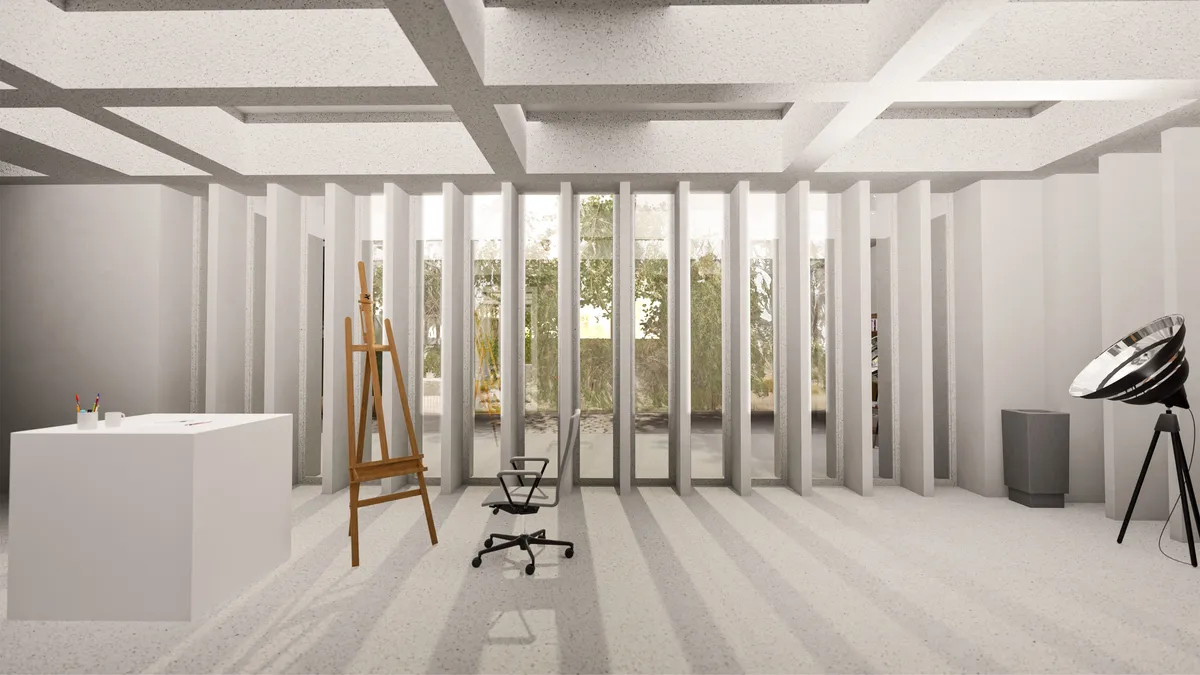
Formally, the building presents shifting perspectives based on the viewpoint. From Vasile Pârvan Boulevard, it appears as three distinct volumes: two visually impermeable blocks flanking a completely transparent central structure, which serves as a symbolic anticipation of the visitor's journey. Viewed from the Bega River, these volumes rest on a well-defined, partially transparent plinth. The design cleverly inverts traditional paradigms: the lower, earth-bound levels are extroverted and engaged with the public, while the elevated spaces dedicated to art are heavily introverted and introspective.
Symbolically, the square grounds the exhibition spaces, representing stability, while the circle symbolizes a connection to the sky, continuing the visitors' upward physical path into the exhibits.