1/10
2/10
3/10
4/10
5/10
6/10
7/10
8/10
9/10
10/10

Author(s) / Team representatives
Alex Ban
Profession
Arhitect
External collaborators
Prof. coord arhitectură - conf. dr. arh. Cristian Blidariu Prof. coord. structură - ș.l. dr. ing. Mihai Fofiu
Project location
Timișoara, România
Area
9760 m²
Project start date
Septembrie 2025
Project completion date
Iulie 2026
Website
Photo credits
-
Text presentation of the author/office in English
Alex Ban is an architect from Timișoara, a graduate of the Faculty of Architecture and Urban Planning, and is currently a PhD student at the Doctoral School of the Politehnica University of Timișoara.
Throughout his academic and professional career, he has taken part in architectural competitions, workshops and research projects, winning awards and furthering his education through international academic experiences as part of Erasmus programmes. His work aims to combine research with design practice, exploring architecture as a tool for dialogue between heritage, culture and the city.
His interests include architectural design, research, interior design and furniture design – fields he regards as complementary and through which he investigates the relationship between material, form and space. He is committed to developing projects with cultural and urban impact that respond both to the built context and to the needs of the community.
He aims to develop a practice situated at the intersection of architecture, research and design, in which each project represents an opportunity to explore, learn and refine his own approach.
Project description in English
A community’s collective memory and identity are shaped by a constant engagement with the past, yet recent history remains an often uncomfortable terrain, where individual experiences, conflicting perspectives and multiple interpretations coexist. As such, it cannot be presented through a single narrative, but rather through a plurality of narratives.
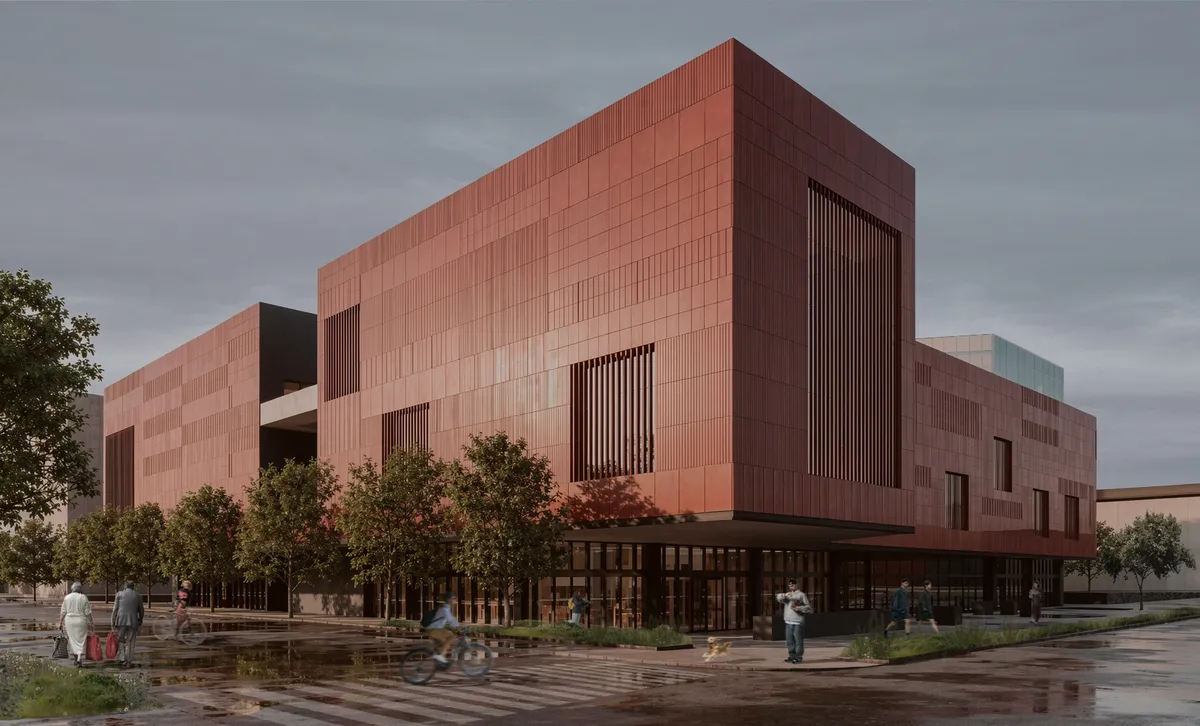
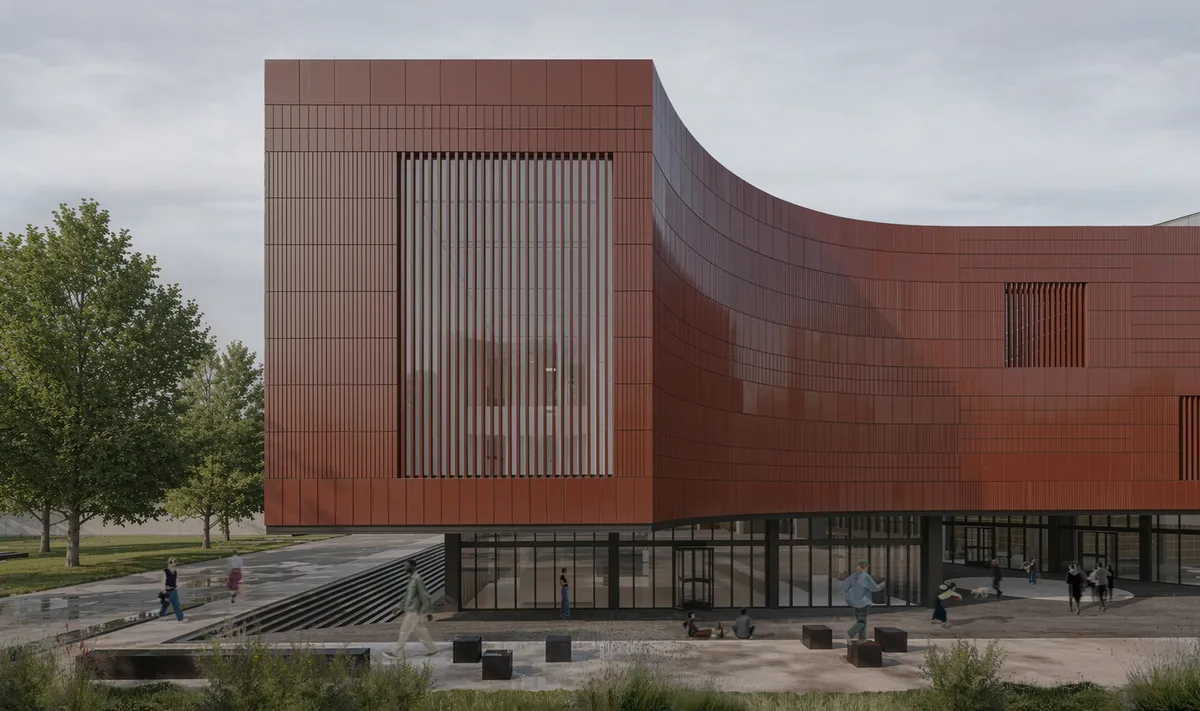
Defined as a space of conviviality between different ethnic groups and faiths and characterised by a strong civic spirit, Timișoara provides the setting for a museum that understands recent history as a dialogue between official history, collective memory and individual experiences. The project is based on the premise that the past cannot be fully captured, acknowledging the inevitably selective nature of the narratives presented. The museum does not aim to offer a definitive picture of history, but rather creates a framework open to reinterpretation, in which different perspectives can coexist and complement one another.
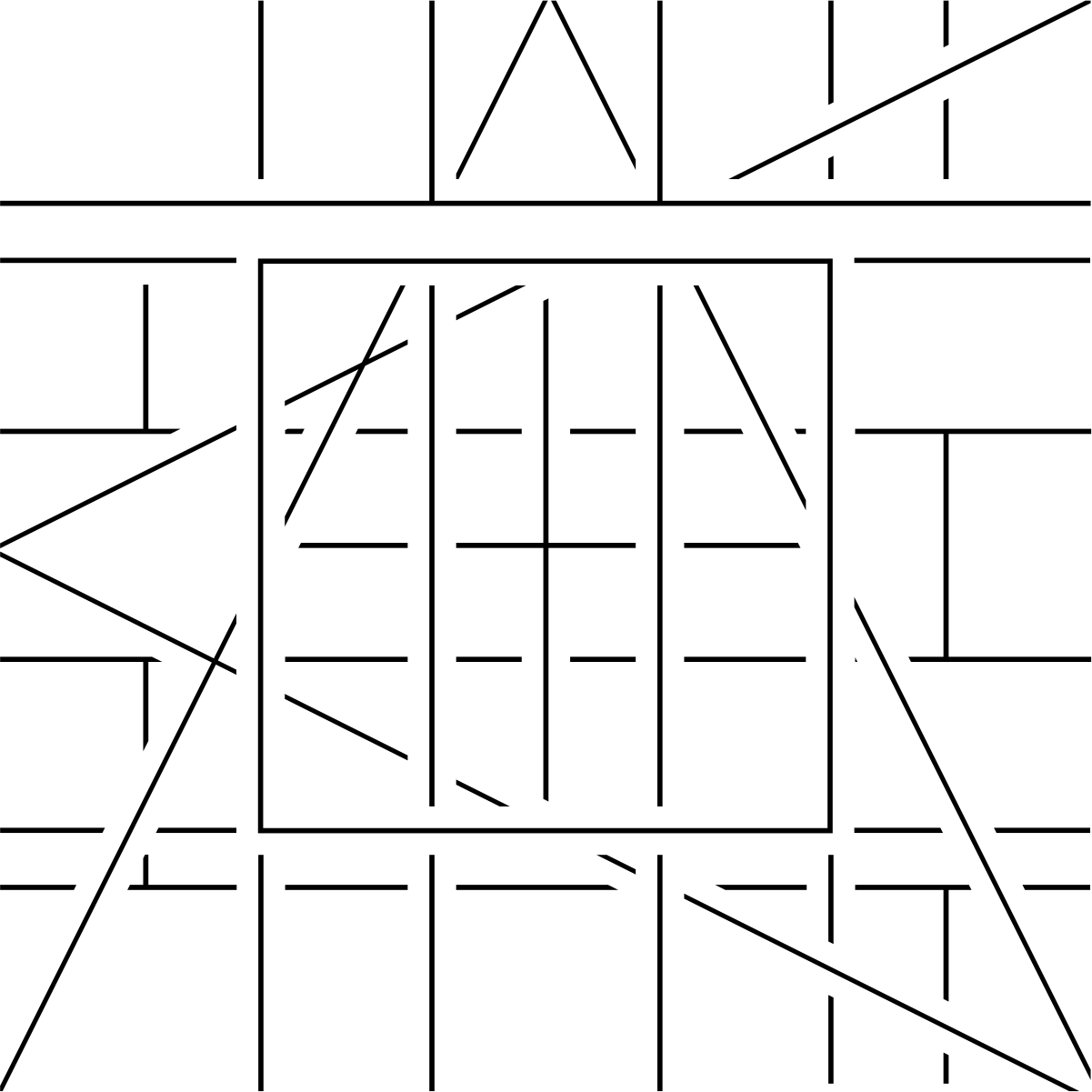
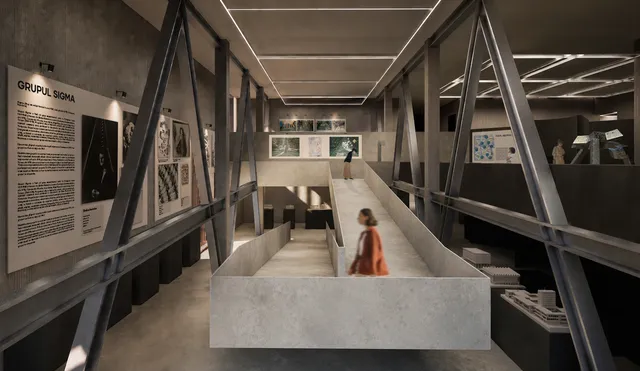
Inspired by the city’s morphology, the project transforms the urban grid of Timișoara into a mosaic of fragments, reflecting the overlapping of historical layers and the diversity of collective memory through absence, transparency and connection, as expressions of temporality. Absence becomes an expression of the impossibility of fully representing the past; transparency reflects the relationship between the exposure and protection of memory; and the connections between spaces express the continuity between the past, present and future.
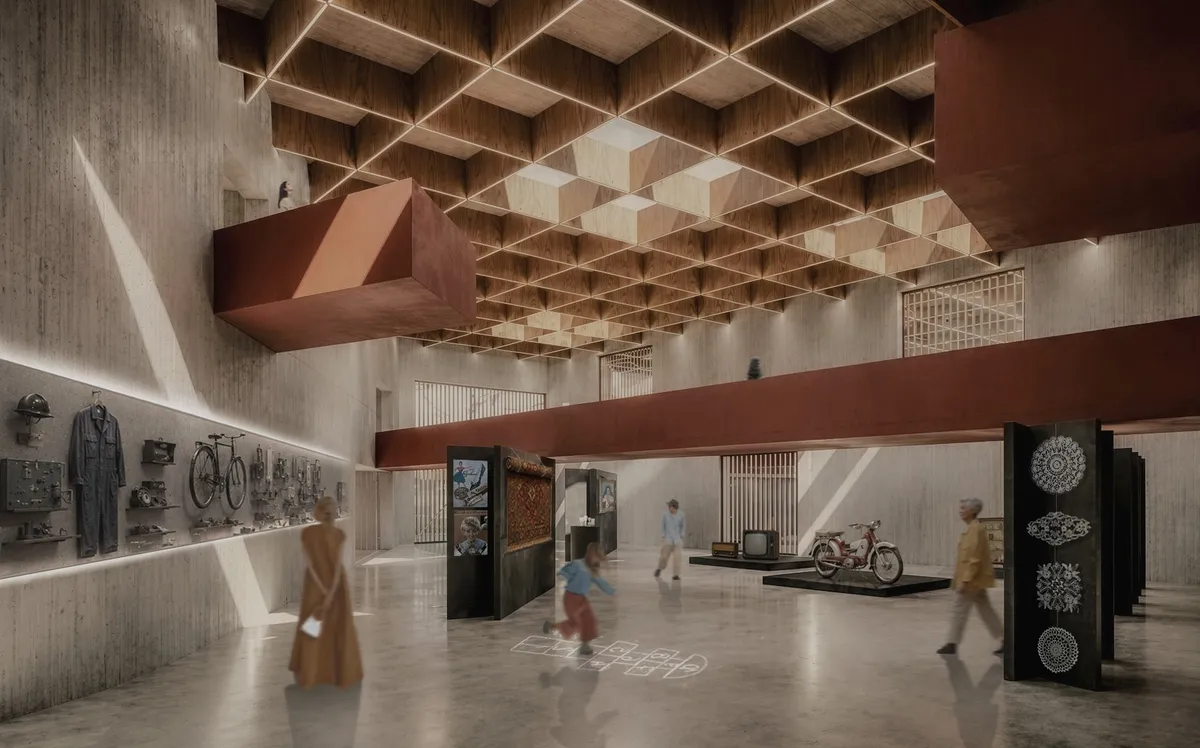
The museum is conceived as a space for dialogue between historians, specialists, artists, communities and visitors, through which recent history is conveyed from multiple perspectives. The curatorial narrative is based on a balance between macrohistory and microhistory, bringing major historical events into dialogue with individual and everyday experiences. Visitors are invited to discover history as an open-ended process, composed of memories, interpretations and complementary viewpoints, which together construct a more nuanced picture of the past.
This approach transforms the museum into an educational and civic tool, capable of stimulating critical reflection and dialogue on recent memory. Architecture becomes an integral part of the museum’s narrative, embodying through space the idea that history is diverse, incomplete and in a constant process of reinterpretation.